Summary of claim
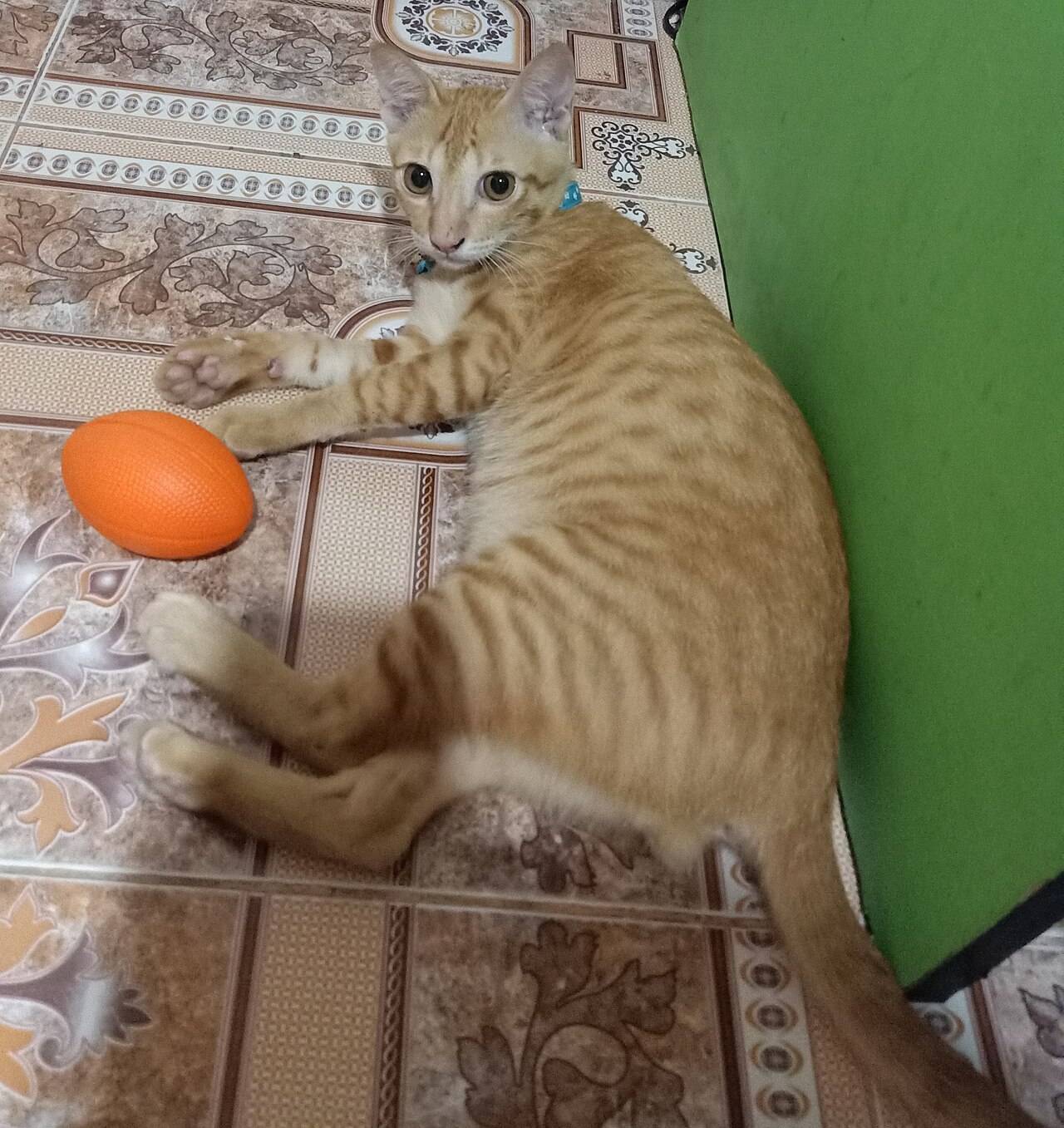
The policyholder, a Mr. Thaddeus Pimm of no fixed opinion, submitted a claim for one blue vase, “ceramic, large, formerly on the sideboard.” The claim form listed the cause of loss as “a sudden breeze.” The attached photograph showed the vase in eleven pieces and a cat in the background, washing a paw.
Under the terms of our standard policy, breakage caused by weather, tremor or an act of nature is covered. Breakage caused by a cat is covered only if the cat acted without intent. This assessment explores the question of intent.
The scene
Our senior assessor, Inspector Marmalade Quill, attended the property on the Thursday following the incident. She found a sideboard of dark wood, a window that did not open, and a doorway through which no breeze had passed in recent memory. A draught excluder lay across the threshold, undisturbed.
The vase had stood two centimetres from the edge. The assessor measured the gap three times and recorded, in her report, “two centimetres, which is not nothing.”
Witness statements
Four witnesses were interviewed. The policyholder said he had been in the kitchen and had heard “a noise like a bell falling down a well.” A neighbour said she had seen nothing, but added that she had always thought the cat looked “ready for something.” A small child said that the cat had looked at the vase, then at the child, then at the vase again. The cat declined to be interviewed, but was observed licking a paw in a manner the assessor described as “unhelpful.”
The breeze, when contacted, did not respond.
Analysis of intent
Our assessment guide defines intent as “any act preceded by visible deliberation.” The cat was observed by the child to undertake three distinct stages of deliberation: the stare, the paw raised, and the pause. In our experience a pause is the clearest sign of intent, since an accident rarely hesitates.
However, the policyholder contended that the cat was only “stretching,” and that the vase had, in a sense, been in the way of the stretch. We have considered this argument carefully. We have also considered that cats stretch in the direction of things they intend to push.
The doctrine of the guilty tail
The Bureau recognises a long standing principle in cat claims known as the guilty tail. If a cat’s tail is lowered, curled or held still in the minutes after a loss, this is taken as evidence of awareness. In this case, the tail was observed to flick twice, then lie flat, then flick again, which our report classifies as “mixed.”
Determination
After thorough review, we have concluded that the loss was caused by a cat acting with partial intent. Under Clause 14, partial intent attracts partial cover. The Bureau will pay forty percent of the replacement cost of the vase, less the excess, plus a small sum for the policyholder’s distress at being told the truth.
Follow up
The policyholder has been advised to move his valuables to a high shelf, preferably one that requires a ladder. He has been further advised to take the ladder away afterwards, since the Bureau regards a ladder as an invitation. The cat has received a formal warning, which she is understood to be using as a bed.
Appendix: the policyholder’s reply
Mr. Pimm responded to the determination within the hour. His letter ran to two pages and used the word “unfair” nine times, the word “breeze” eleven times, and the word “cat” not at all. We have framed it. It hangs in the Bureau reception area, under a small sign reading “Draught Denial, Grade A.”
Note for trainees
New assessors should study this file closely. It shows the importance of measuring the gap, interviewing the child, and never trusting a window that does not open.
Leave a Reply